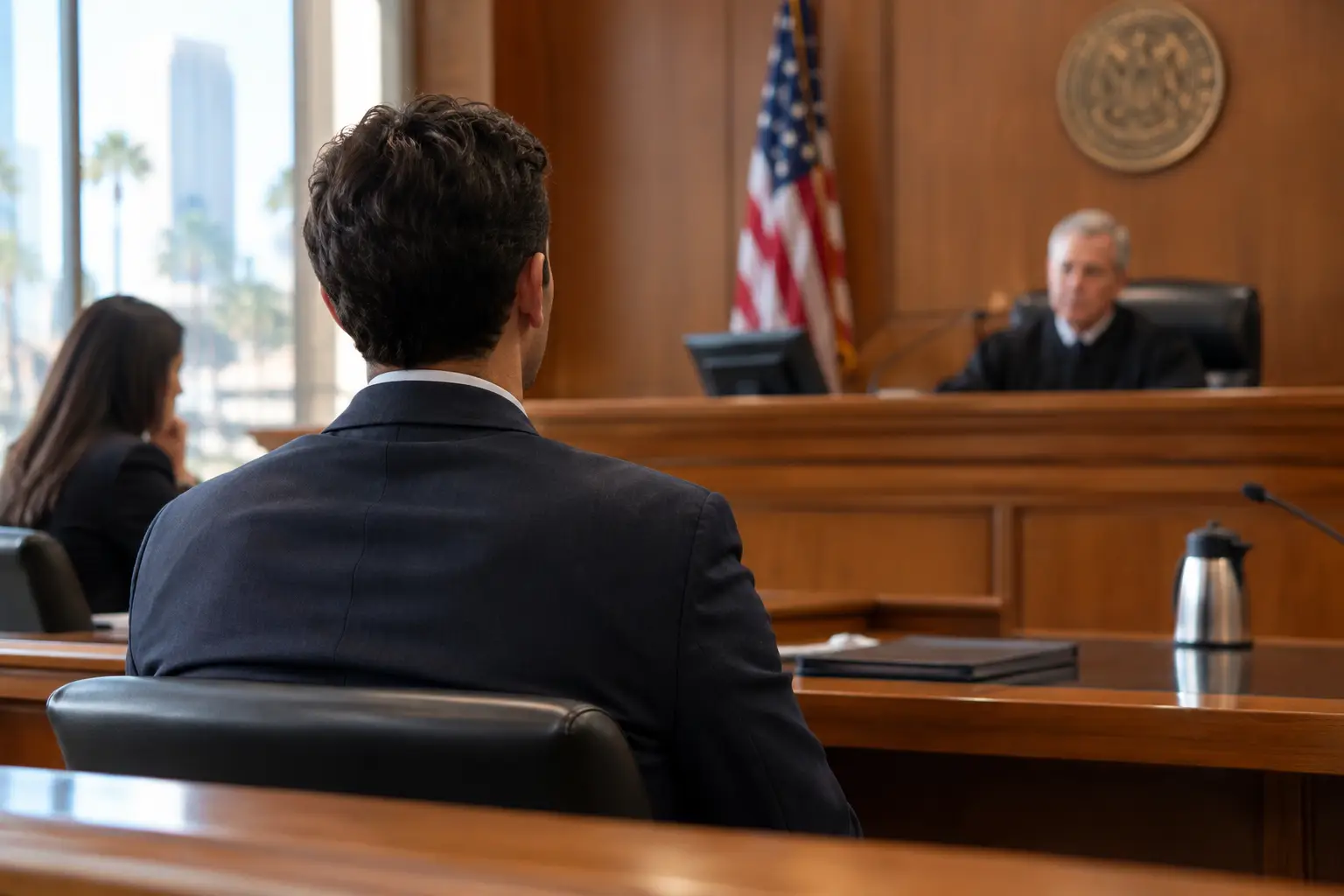

A theft accusation can become a criminal case before you have had time to process what happened. A store employee may have stopped you, an employer may have reported missing property, or police may be asking questions about a transaction. A California theft crime defense lawyer can step in early to protect your rights, prevent damaging statements, and force the prosecution to prove its case instead of relying on assumptions.
The consequences can reach far beyond a fine. Depending on the allegation and your record, a theft charge can threaten your job, professional license, immigration status, housing, reputation, and freedom. The right response is not to explain your side to law enforcement in the hope that the matter will disappear. Exercise your right to remain silent and speak with a defense attorney before answering questions or signing anything.
Theft Charges in California Are Not All the Same
California prosecutors use several statutes to pursue conduct they characterize as theft. The exact charge matters because it affects potential penalties, available defenses, and the strategy needed to protect your future.
Petty theft generally involves property valued at $950 or less. Grand theft often involves property worth more than $950, although certain types of property can lead to grand theft allegations under different rules. Depending on the facts and the charging decision, theft offenses can be misdemeanors, felonies, or charges that may be filed either way.
Shoplifting is a distinct offense that can arise when someone enters an open business intending to take merchandise valued at $950 or less. Prosecutors may also file burglary charges when they claim a person entered a business, home, or other structure with the intent to steal or commit another felony. Burglary allegations can be especially serious because the prosecution focuses on what it claims your intent was at the moment of entry.
Other common allegations include receiving stolen property, employee theft, embezzlement, identity theft, auto theft, and robbery. Robbery is not simply a more expensive theft charge. It involves taking property from another person through force or fear, and it carries far more severe consequences. The facts, video footage, witness accounts, digital records, and alleged value of the property can all change the direction of a case.
What the Prosecution Must Prove
An accusation, a loss-prevention report, or a police arrest does not establish guilt. Prosecutors must prove every required element of the charged offense beyond a reasonable doubt. In many theft cases, intent is the central issue.
Taking property by mistake is different from intentionally stealing it. So is believing, reasonably or not, that you had a right to the property. A rushed checkout, a misunderstanding over ownership, a disputed business expense, an incomplete return, or a false allegation by a coworker may create a very different picture than the one presented in a police report.
Value can also be contested. Retailers and investigators may rely on a price tag, an inventory number, or an estimate that does not accurately reflect the property’s fair market value. That difference can affect whether an allegation is treated as petty theft, grand theft, or a more serious felony-level matter.
A courtroom-ready defense examines the evidence rather than accepting the label attached to an arrest. That can mean reviewing surveillance footage from beginning to end, not just a short clip selected by a store. It can mean testing whether a witness could actually identify the person involved, checking whether law enforcement followed constitutional limits, and exposing gaps in records that supposedly prove ownership or value.
What to Do After a Theft Arrest or Investigation
The first hours and days after an arrest, citation, or contact from investigators can shape the case. People often hurt their position because they are embarrassed, scared, or convinced that cooperation requires a detailed explanation. It does not.
Do not discuss the facts with police, store security, your employer, alleged victims, or other witnesses without legal advice. Do not post about the incident online, try to “fix” evidence, or contact a person who may later be called as a witness. Even a well-intended message can be misunderstood as an admission, intimidation, or consciousness of guilt.
Preserve information that may help your defense. Save receipts, text messages, emails, location history, photographs, account records, and the names of people who can confirm relevant facts. Write down what happened while your memory is fresh, including where you were, who spoke to you, what officers said, and whether there may be video footage. Then bring that information to your attorney rather than trying to argue the case yourself.
If you were arrested, make sure you understand your court date and any release conditions. Missing court can lead to a warrant and make an already stressful case worse. If police want you to return for an interview or ask for consent to search a phone, vehicle, or home, do not make that decision alone.
How a California Theft Crime Defense Lawyer Builds a Defense
Every theft case turns on its own evidence. A strong defense is not a one-size-fits-all explanation. It begins with a careful review of the charge, the police reports, witness statements, available recordings, and the prosecution’s theory of intent.
In some cases, the defense may challenge an unlawful detention, search, or seizure. If evidence was obtained in violation of constitutional protections, an attorney can seek to keep it out of court. In other cases, the focus may be mistaken identity. Poor-quality camera footage, suggestive identification procedures, or a witness viewing events from a distance can create real doubt.
Ownership and consent disputes are also common. Property shared by family members, business partners, roommates, or former partners can lead to accusations that are far more complicated than a report suggests. An employee accused of taking company funds may have been authorized to make purchases, reimburse expenses, or handle accounts in a way that was later questioned. These cases require records, context, and aggressive attention to detail.
Sometimes the evidence creates risk, and the best strategy is to pursue a reduction, diversion where legally available, restitution terms, or another resolution that limits long-term damage. That is not the same as giving up. It means evaluating the likely outcome, the client’s record, the value of the property, and the collateral consequences before making a decision. A first-time misdemeanor allegation may call for a different approach than a felony embezzlement case involving a professional career or a prior conviction that increases exposure.
The Stakes Can Continue After Court
A theft conviction can follow someone long after fines are paid or probation ends. Employers often ask about criminal history. Licensing boards may scrutinize allegations involving dishonesty. Noncitizens can face immigration consequences that demand careful legal analysis. Parents may worry about school discipline, juvenile-court consequences, or the effect on future opportunities.
California law provides possible post-conviction relief in some circumstances, including expungement and certain resentencing or record-reduction options. Eligibility depends on the conviction, sentence, completion of court requirements, later conduct, and changes in the law. Post-conviction relief can be valuable, but it is not a substitute for mounting the strongest defense before a conviction occurs.
Do Not Let a Theft Allegation Define Your Future
Prosecutors and investigators may treat a theft case as straightforward. Your life is not straightforward. Your employment, family responsibilities, record, and explanation of the facts deserve individual attention. Wegman & Levin APC provides confidential defense guidance for people facing theft allegations in North Hollywood, Los Angeles County, and throughout Southern California.
The most useful next step is usually the simplest one: protect your silence, preserve what may support your defense, and get experienced legal advice before the prosecution’s version of events becomes the only version in the file.