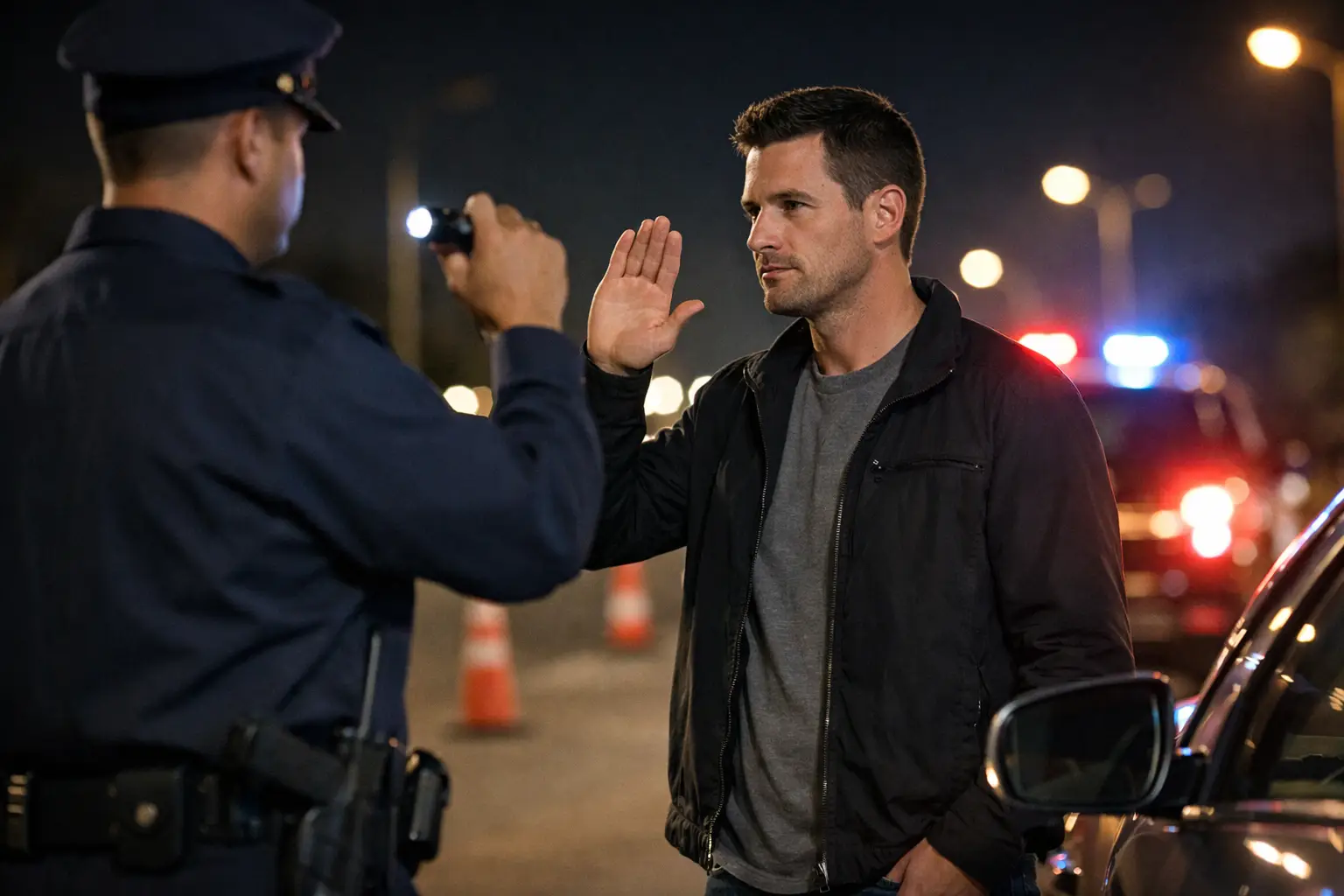

A subpoena can turn an already painful domestic violence case into a courtroom emergency. What happens when a domestic violence victim fails to obey a subpoena? In California, the answer depends on why the witness did not appear, whether the subpoena was validly served, what the prosecution can prove without that testimony, and the specific protections afforded to domestic violence survivors.
For a person accused of domestic violence, a missing witness does not automatically mean the case disappears. Prosecutors often build cases around 911 calls, body-camera footage, photographs, medical records, statements, and other evidence. For a victim, ignoring a subpoena can create legal risk, but a survivor has important protections that must be taken seriously.
A Subpoena Is a Court Demand, Not a Request
A subpoena generally requires a person to appear in court and testify, or in some situations provide records or other evidence. It is different from an informal request from a police officer, prosecutor, investigator, or defense attorney. A valid subpoena carries the force of the court.
Still, receiving a subpoena does not mean a witness must handle the situation alone or walk into court without understanding their rights. A victim may be afraid of seeing the accused, concerned about retaliation, unable to miss work, caring for children, hospitalized, or dealing with trauma. Those facts matter. They should be raised promptly through the proper legal process, not by simply failing to appear.
A person who was never properly served may have a legitimate challenge to the subpoena. So may a witness facing a genuine safety concern or a conflict with another legal obligation. But the court, not the witness, decides whether an absence is excused.
What Can Happen When a Domestic Violence Victim Fails to Obey a Subpoena?
The immediate consequence is often a missed-witness problem for the prosecutor. At the scheduled hearing or trial, the prosecutor may ask the judge to continue the matter, issue another subpoena, or take other steps to secure the witness’s attendance. Whether the judge grants that request depends on the stage of the case, the reason for the absence, and how essential the testimony is.
In many criminal cases, deliberately ignoring a valid subpoena can expose a witness to contempt proceedings. Contempt can carry serious consequences, including fines and, in some contexts, custody. California law, however, provides a significant protection for victims of domestic violence and sexual assault: a court generally may not imprison, confine, or place such a victim in custody for contempt based on a refusal to testify about that domestic violence or sexual assault.
That protection is meaningful, but it is not a blanket instruction to disregard court paperwork. It does not erase a subpoena, guarantee that no hearing will be held, or prevent the court and attorneys from addressing the failure to appear. The exact scope of the protection, the reason for the nonappearance, and the type of proceeding all matter. A witness who is concerned should seek independent legal advice or assistance from a qualified victim advocate before the court date whenever possible.
A Warrant or Forced Appearance Is Not a Simple Question
People often assume a judge will immediately issue a warrant for any witness who misses court. The reality is more complicated, particularly when the missing witness is the alleged victim of domestic violence. Courts must consider California’s protections for survivors, due process, the facts of the case, and the prosecutor’s request.
A court may issue orders designed to address a witness’s absence in some circumstances. But no one should assume the state can simply jail a domestic violence victim to force testimony about the alleged abuse. That is precisely where the statutory protection can become critical. The witness needs counsel or an advocate who can put the relevant facts before the court instead of allowing fear, confusion, or a missed date to control the situation.
The Criminal Case May Continue Without the Victim
The prosecutor, not the alleged victim, decides whether to file, continue, reduce, or dismiss criminal charges. A victim’s request to drop a case does not require dismissal. Likewise, a victim’s failure to appear does not automatically end a prosecution.
Los Angeles prosecutors may rely on evidence that does not require live testimony from the victim. That can include a 911 recording, an excited statement made during or immediately after the incident, statements captured on officer body cameras, photographs of injuries or property damage, surveillance video, medical evidence, neighbor testimony, and the defendant’s own statements.
Some evidence faces constitutional limits. Under the Confrontation Clause, prosecutors generally cannot introduce certain testimonial statements from an unavailable witness if the accused had no prior opportunity to cross-examine that witness. Whether a particular statement is testimonial is a fact-specific legal issue. A frantic 911 call made to obtain emergency help may be treated differently from a detailed statement taken by police after the emergency has ended.
The prosecution may also argue that the defendant caused the witness’s absence through threats, intimidation, pressure, or conduct that violated a protective order. If the court accepts that argument, it can have severe evidentiary consequences. For anyone accused of domestic violence, this is a critical warning: do not contact, pressure, persuade, threaten, or use another person to influence the alleged victim’s decision to testify. Even conduct intended as reconciliation can be misread or charged as witness intimidation, violation of a restraining order, or another offense.
Why a Missing Witness Can Cut Both Ways
A victim’s absence can weaken the prosecution’s case when the alleged victim is the only direct witness and the remaining evidence is thin. A defense lawyer may challenge whether the prosecution can prove every element beyond a reasonable doubt without admissible testimony.
But it can also make a case more volatile. Prosecutors may ask for more time, investigate allegations of witness tampering, introduce other evidence, or take a harder position on bail and protective-order conditions. The defense should not assume that a no-show equals a dismissal. It should prepare for the evidence the state still has and attack it carefully, legally, and aggressively.
This is especially true in cases involving prior statements. A statement may be inconsistent, incomplete, influenced by the stress of the moment, or unsupported by physical evidence. Police reports are not automatically proof. Photographs do not explain how an injury occurred. A 911 call may establish that someone was frightened, but it does not necessarily establish who committed a crime or whether the accused acted in self-defense. Each piece of evidence requires scrutiny.
What a Victim Should Do Before Missing Court
If a domestic violence victim has been subpoenaed and cannot safely or realistically attend, silence is usually the worst option. The witness should promptly contact an independent attorney, a victim advocate, or the court-related contact listed on the subpoena to explain the problem and ask how to seek relief. They should keep copies of the subpoena, any messages, and documents showing a medical emergency, work conflict, safety concern, or other reason for the requested accommodation.
A witness may need to ask for a continuance, remote appearance where permitted, safety planning, a separate waiting area, or other protective measures. If a person has a valid Fifth Amendment concern because testimony could expose them to criminal liability, that requires individualized legal advice. The witness should not guess about privilege or simply refuse to answer questions in court without counsel.
What the Accused Should Do
If you are charged and learn that the alleged victim may not appear, do not treat it as an opportunity to make contact. Follow every restraining order and release condition exactly. Do not send messages through friends or family, respond to indirect outreach, discuss testimony, or try to obtain a declaration designed to influence the case without advice from your lawyer.
Your attorney can evaluate service of the subpoena, the prosecutor’s request for a continuance, the admissibility of prior statements, and whether the remaining evidence actually proves the charge. That is how a defense protects your rights without creating new exposure.
Domestic violence cases can move quickly, and one missed subpoena date can change the pressure on everyone involved. If you need help with a domestic violence allegation, a subpoena issue, a protective order, or a Los Angeles criminal case, contact Wegman & Levin APC now at (818) 495-8330 for a confidential case evaluation and a defense strategy built to protect your freedom and future.